
Nine representative scenarios across manufacturing, fabrication, energy, infrastructure and professional services — showing how a gap analysis becomes a certificate (or, for continuous improvement, a sustained result) for ISO 9001, IATF 16949, ISO 14001, ISO 45001 and AS9100.
Last updated: 28 September 2026
Sector: precision manufacturing, automotive & industrial heat-exchange components. Trigger: a key OEM customer made ISO 9001 a condition of continued supply.

Quality control ran on individual inspectors' experience rather than a documented system. No formal internal audit programme, no structured non-conformance process, and document control was scattered across shared drives.
An eight-week gap analysis and documentation phase, lean process maps built around the existing shop-floor routine rather than a generic template, an internal audit programme trained into two production supervisors, and a mock audit before the real thing.
Benchmarked current practice against ISO 9001, prioritised the gaps that actually mattered to the customer's expectations.
Lean documentation and a risk register that reflected real production risk, not paperwork for its own sake.
Trained internal auditors found and closed the real non-conformities before the certification body ever arrived.
Stage 1 and Stage 2 audits with a UKAS-accredited body, typically within a five-to-six-month window from project start.
Certification achieved within the timeframe the OEM customer required, with the internal audit programme handed over so the business could sustain the system without ongoing consultancy support.
Sector: automotive powertrain components. Trigger: an existing ISO 9001-certified supplier needed IATF 16949 to retain automotive OEM business.
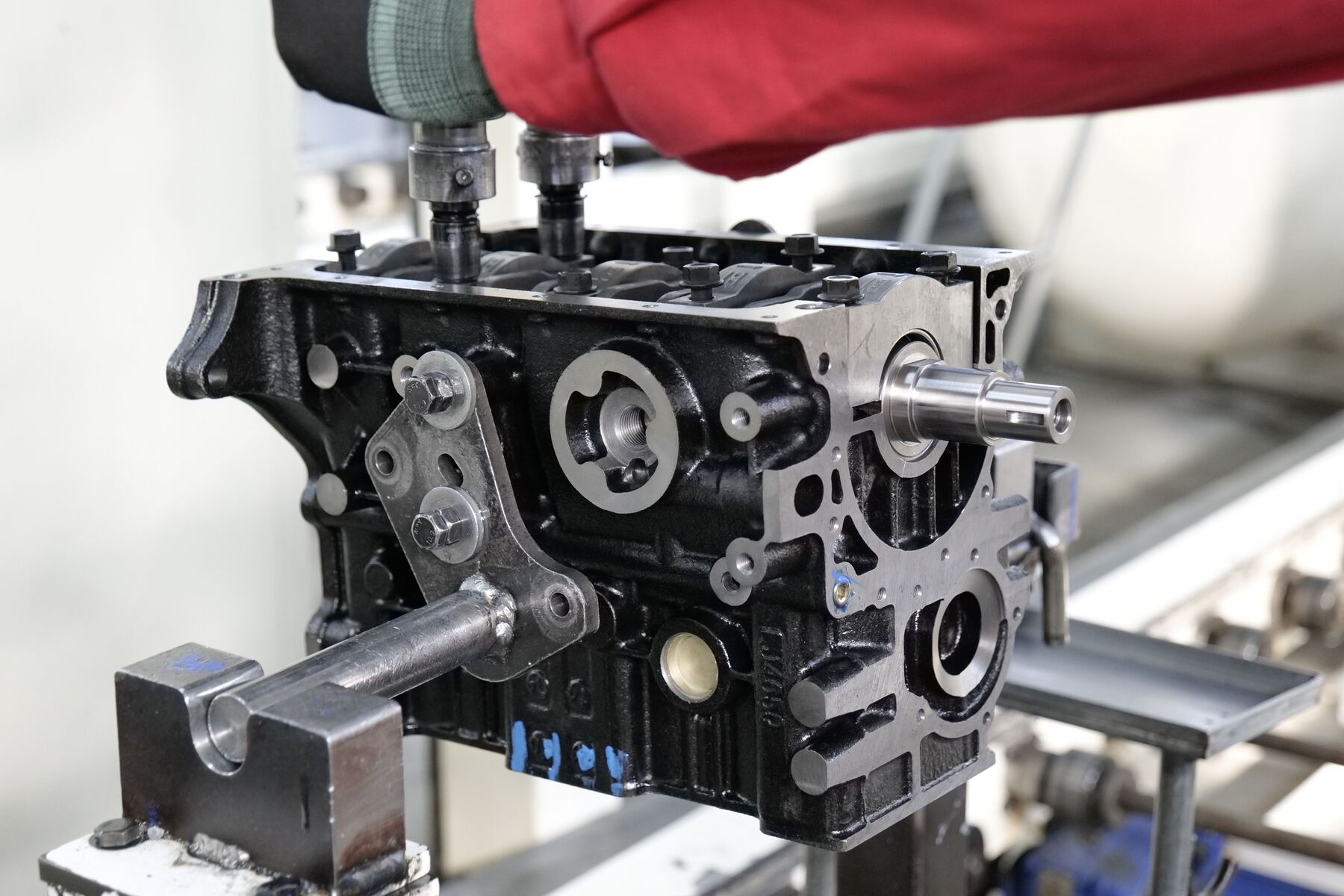
ISO 9001 certified, but no formal APQP, PPAP or control plan process — customer-specific requirements (CSRs) were being met informally, case by case, which created risk at every new-model launch.
A core-tools gap analysis against each customer's CSRs, a structured APQP framework built into the launch process, control plans and PPAP submissions standardised, and FMEA/MSA/SPC training coached into the engineering team rather than outsourced permanently.
Mapped APQP, PPAP, FMEA, MSA and SPC maturity against IATF 16949 and live customer CSRs.
Control plans, PPAP packages and FMEAs built alongside the engineering team, not handed over as a finished document nobody owns.
Internal audits against IATF 16949's process-approach requirements, not just ISO 9001's.
Two-stage certification audit with an IATF-recognised certification body, typically nine to twelve months from project start given existing ISO 9001 maturity.
Certification retained the OEM contract, and the engineering team came out able to run APQP and PPAP independently for future model launches.
Sector: solar and battery-storage project delivery. Trigger: tender requirements on major framework contracts increasingly specified ISO 14001.
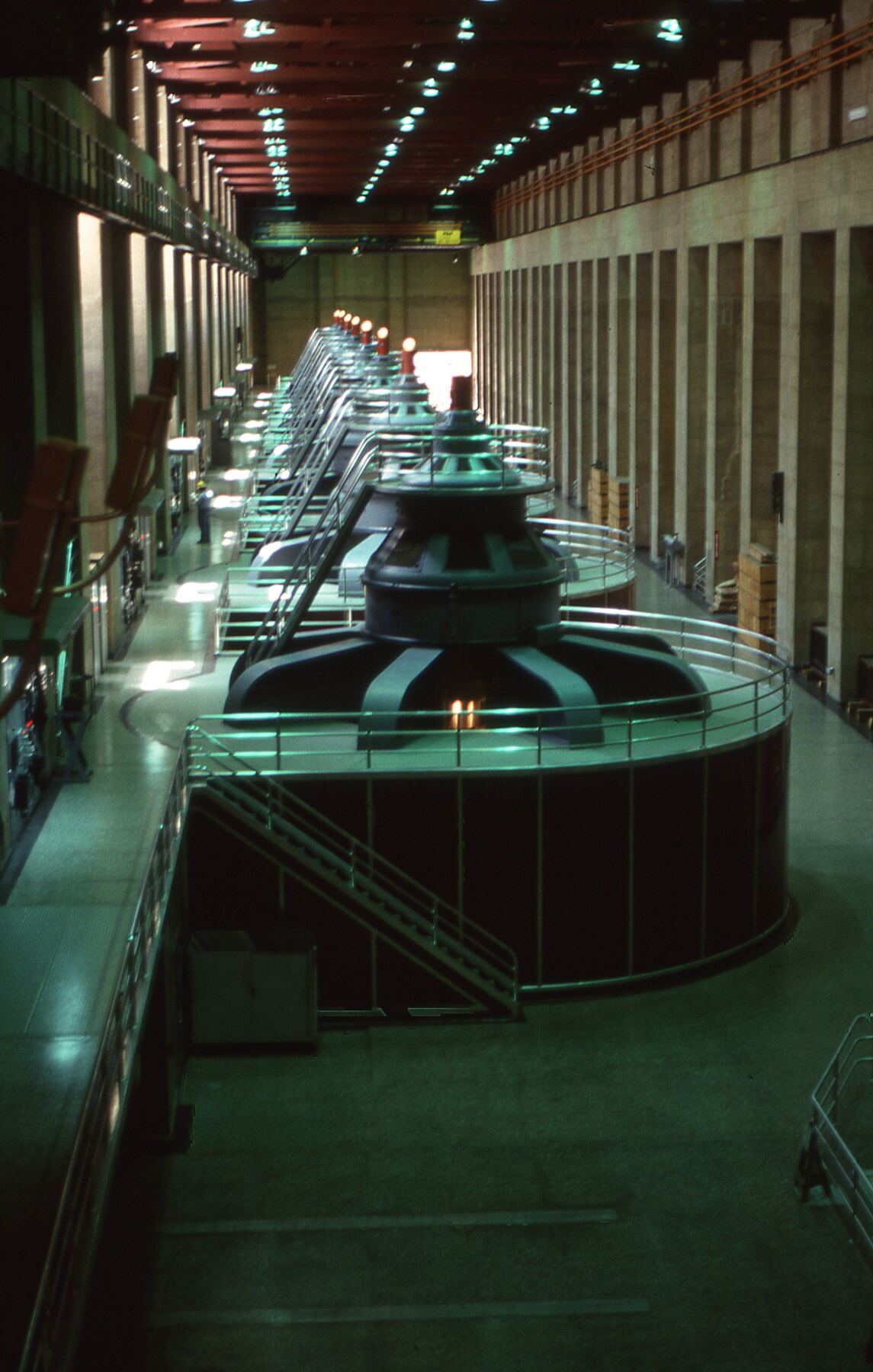
Strong environmental practice on the ground (the business's whole product is renewable energy) but no formal environmental management system — aspects and impacts weren't documented in a way an auditor could verify.
An aspects-and-impacts register covering multi-site project work (waste, transport, subcontractor management), integrated with the existing ISO 9001 system already in place to avoid duplicating audits and management review.
Identified and prioritised the environmental aspects that actually mattered across multiple live project sites.
Built into the existing ISO 9001 management system rather than run as a separate parallel system.
One combined internal audit programme and management review covering both standards.
Certification audit extended to cover ISO 14001 alongside the existing ISO 9001 surveillance cycle.
ISO 14001 added at a fraction of the cost of a standalone project, meeting tender requirements ahead of framework renewal deadlines.
Sector: infrastructure modernisation — engineers working on live sites in occupied buildings. Trigger: principal contractors increasingly required ISO 45001 for site access.

Good day-to-day safety discipline among field engineers, but risk assessments and method statements (RAMS) varied by author, and there was no structured incident-investigation or near-miss process to learn from.
Standardised RAMS templates for common lift and escalator modernisation tasks, a near-miss reporting process field engineers would actually use, and worker consultation built into hazard identification rather than done to them.
Reviewed live RAMS, incident history and worker consultation practice against ISO 45001.
Standardised RAMS, a usable near-miss and incident-investigation process, and legal-register tracking for site-access requirements.
Site-based internal audits, not just office paperwork reviews.
Certification audit including live site visits alongside document review.
Certification met principal contractors' site-access requirements, and near-miss reporting increased as field engineers gained a process they trusted rather than feared.
Sector: aerospace & defence precision machining. Trigger: an aerospace prime required AS9100 certification to qualify as an approved subcontractor.
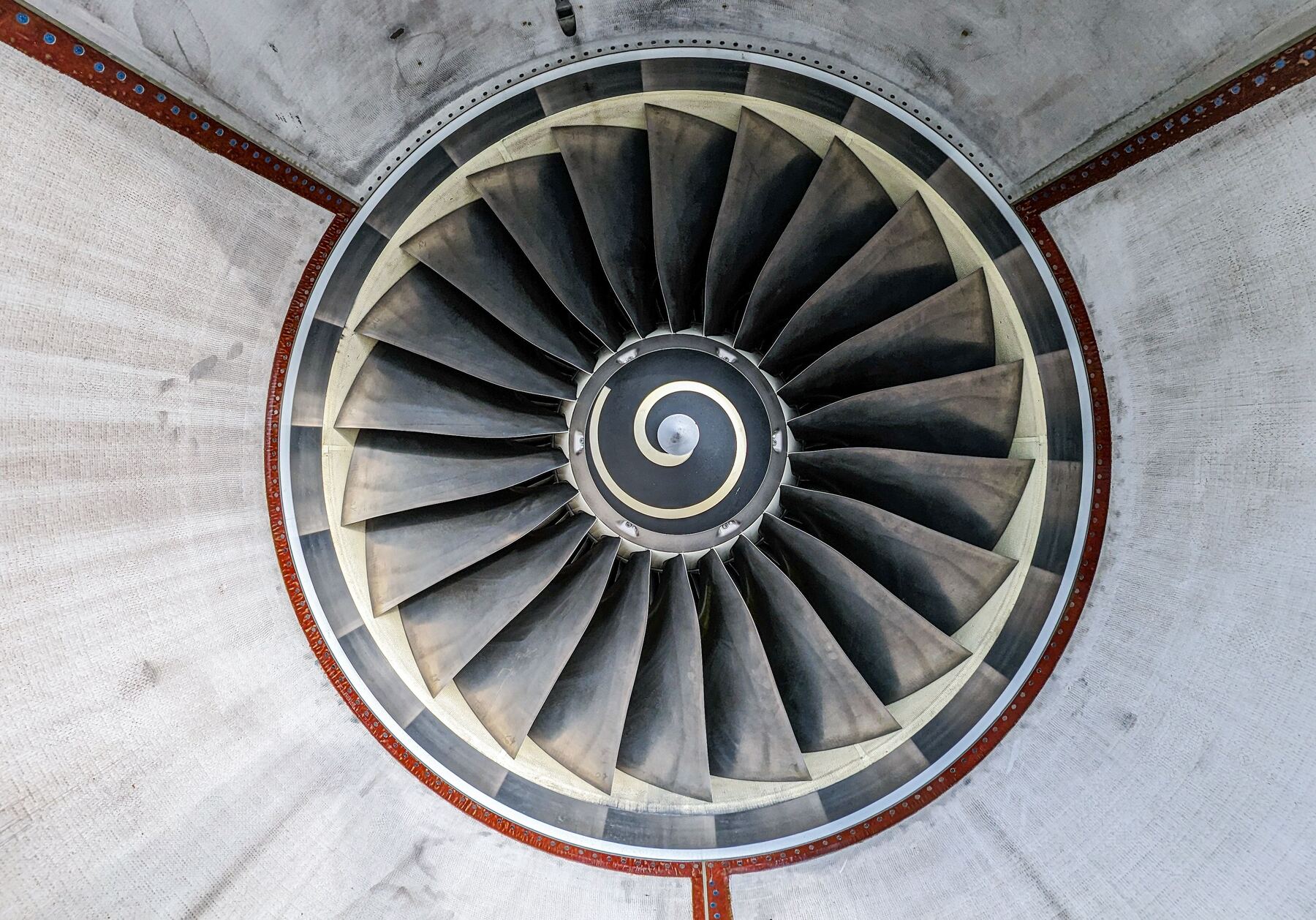
ISO 9001 certified with a mature quality culture, but no formal configuration management, first-article inspection process, or traceability system to the level aerospace primes require.
Building on the existing ISO 9001 system rather than starting again — adding first-article inspection (AS9102), configuration management, counterfeit-parts prevention and the additional traceability and risk-management clauses AS9100 requires.
Focused only on what AS9100 adds on top of the existing ISO 9001 system, not a rebuild from zero.
First-article inspection, configuration management, risk management and counterfeit-parts prevention processes.
Internal audits extended to cover the AS9100-specific clauses.
Certification audit with an aerospace-recognised certification body, typically three to six months given the mature starting point.
Approved subcontractor status achieved with the aerospace prime, built on the existing ISO 9001 foundation rather than a parallel system.
Sector: precision manufacturing of fuel and oil filtration and hydraulic components. Trigger: three different customers were running three separate audits a year, each against a different standard, and the business wanted one system instead of three.
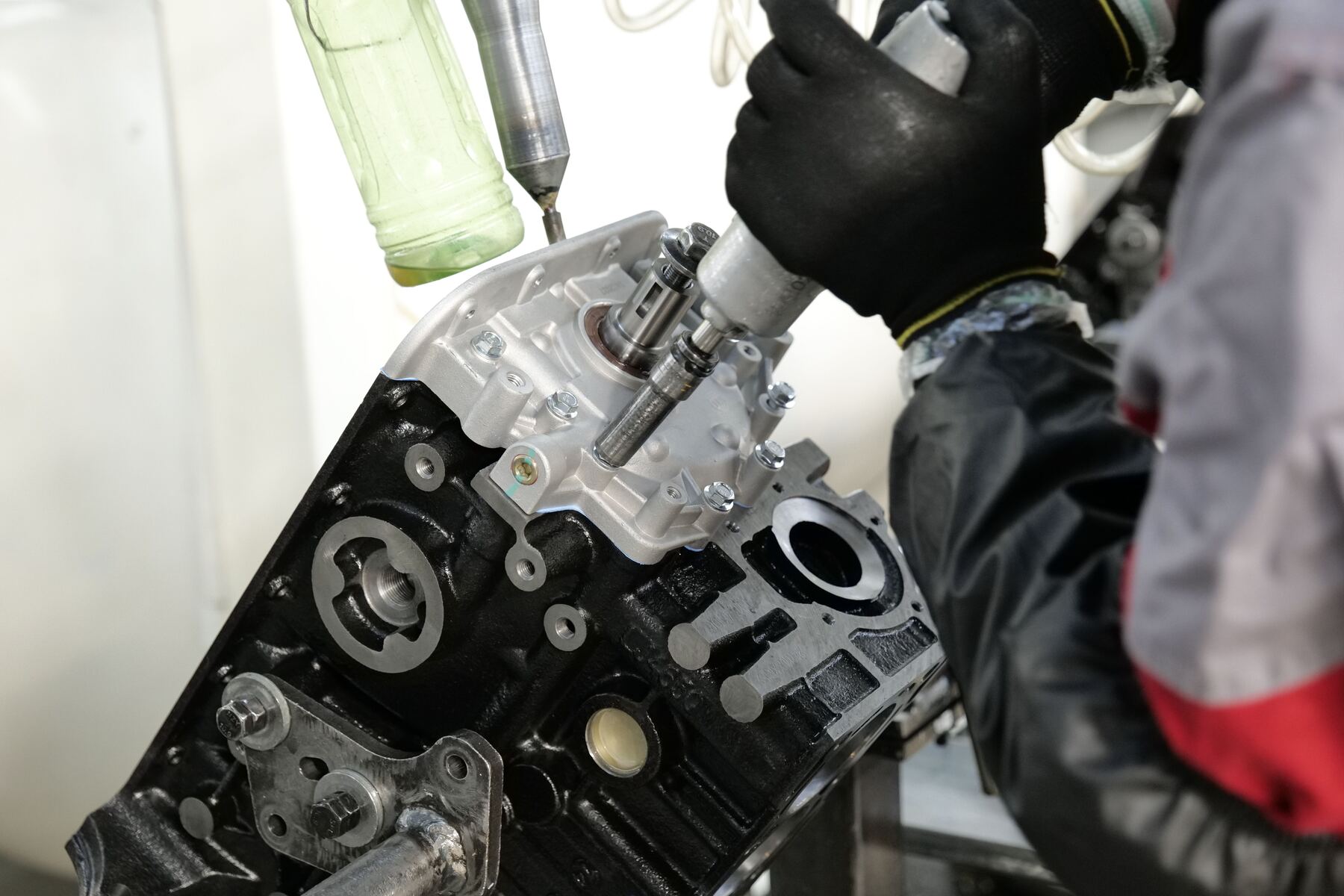
ISO 9001 certified and well run, but environmental aspects (coolant, swarf, solvent use) and health & safety (machine guarding, COSHH for cleaning fluids) were managed informally alongside it, with separate — and inconsistent — paperwork for each.
One aligned management system built around ISO's High Level Structure, so quality, environmental and safety risk registers, internal audits and management review run as a single integrated cycle rather than three parallel ones.
Benchmarked the existing ISO 9001 system and informal EHS practice against ISO 14001 and ISO 45001 together, not as separate projects.
Aspects-and-impacts register, safety risk register and legal register added onto the existing quality system's structure and document control.
A single audit schedule and management review covering all three standards, run by internal auditors trained once, not three times.
A combined three-standard certification audit with a UKAS-accredited body, typically six to nine months from project start.
Three certificates from one integrated system, with a single annual surveillance visit replacing three separate audit cycles and materially less duplicated paperwork for the team to maintain.
Sector: steel fabrication, welding and painting for defence and industrial customers. Trigger: a defence-sector customer's supplier approval process required a certified quality system and demonstrable control of welding, coating and traceability records.
Skilled welders and a genuinely safety-conscious shop floor, but material certificates, welder qualifications and paint-booth records were kept in filing cabinets with no formal traceability trail an auditor — or a customer — could follow from raw steel to finished part.
A document-controlled traceability system linking material certs, welder qualifications and inspection records to each job, alongside a proper COSHH and RAMS framework covering welding fume, hot work and paint-booth solvent exposure.
Mapped the existing paper trail from raw material to finished, painted part, and benchmarked welding fume and coatings controls against ISO 45001.
Job-linked traceability records, COSHH assessments for welding fume and coatings, and RAMS templates for hot work and confined-space tasks.
Shop-floor internal audits covering welding bays, the paint booth and goods-in traceability, not just the office.
Combined ISO 9001 and ISO 45001 certification audit, typically five to eight months from project start.
Approved-supplier status achieved with the defence customer, with full material-to-part traceability the business could stand behind at short notice during a customer or third-party audit.
Sector: professional services — technical and compliance training, delivered to corporate clients. Trigger: larger corporate clients' procurement teams were starting to ask for ISO 9001 as a condition of tendering.

A strong reputation and genuinely good course content, but no documented process for course design, trainer competence records, or how client feedback fed back into improving the material — the kind of thing a services business can get away without, until a client's procurement team asks for it in writing.
A lean system built for a services business, not a manufacturing template forced to fit — course design and review process, trainer competence and CPD records, and a structured way of turning client feedback into course improvements.
Benchmarked existing course-design and delivery practice against ISO 9001, focused on what a services business actually needs to document.
Course design and review records, trainer competence and CPD tracking, and a client-feedback loop with a clear owner.
Internal audits of live course delivery and feedback handling, not just desk-based document review.
Stage 1 and Stage 2 audits with a UKAS-accredited body, typically four to six months from project start for a services business of this size.
ISO 9001 certification cleared the procurement bar on tenders it had previously been excluded from, and the trainer competence records gave new clients confidence in course quality before the first session.
Sector: automotive vehicle conversion and aftersales/warranty support. Trigger: warranty claim volumes and rework on converted vehicles were rising faster than sales, with no structured process for finding the root cause.

Warranty and rework data was collected but never analysed structurally — individual faults were fixed as they came in, but nobody had stepped back to find the two or three root causes driving most of the claims.
A DMAIC project run with the production and aftersales teams, not delivered to them — so the root-cause analysis and the fix are owned by the people who have to sustain it after the consultant leaves.
Defined the warranty problem in business terms and built a reliable baseline from existing claims and rework data.
Root-cause analysis across the conversion process to find where most claim value was actually concentrated, rather than treating every fault as equally important.
Process changes targeted at the confirmed root causes, trialled on a production sample before wider rollout.
Control-plan updates and a simple ongoing tracking metric handed over so the improvement holds after the project ends.
A measurable, sustained reduction in warranty rework on the targeted fault types, with the tracking metric and root-cause method handed over to the quality team to run independently.
Standards & methodologies we work to
Sectors we work in
Tell us your sector and where you are today, and we'll map out what your project would actually involve.
Book a free scoping call →